
Choosing the Right Container and Soil Mix
Drainage holes matter more than you'd think. Here's what soil composition works best for basil, parsley, and mint on a windowsill.
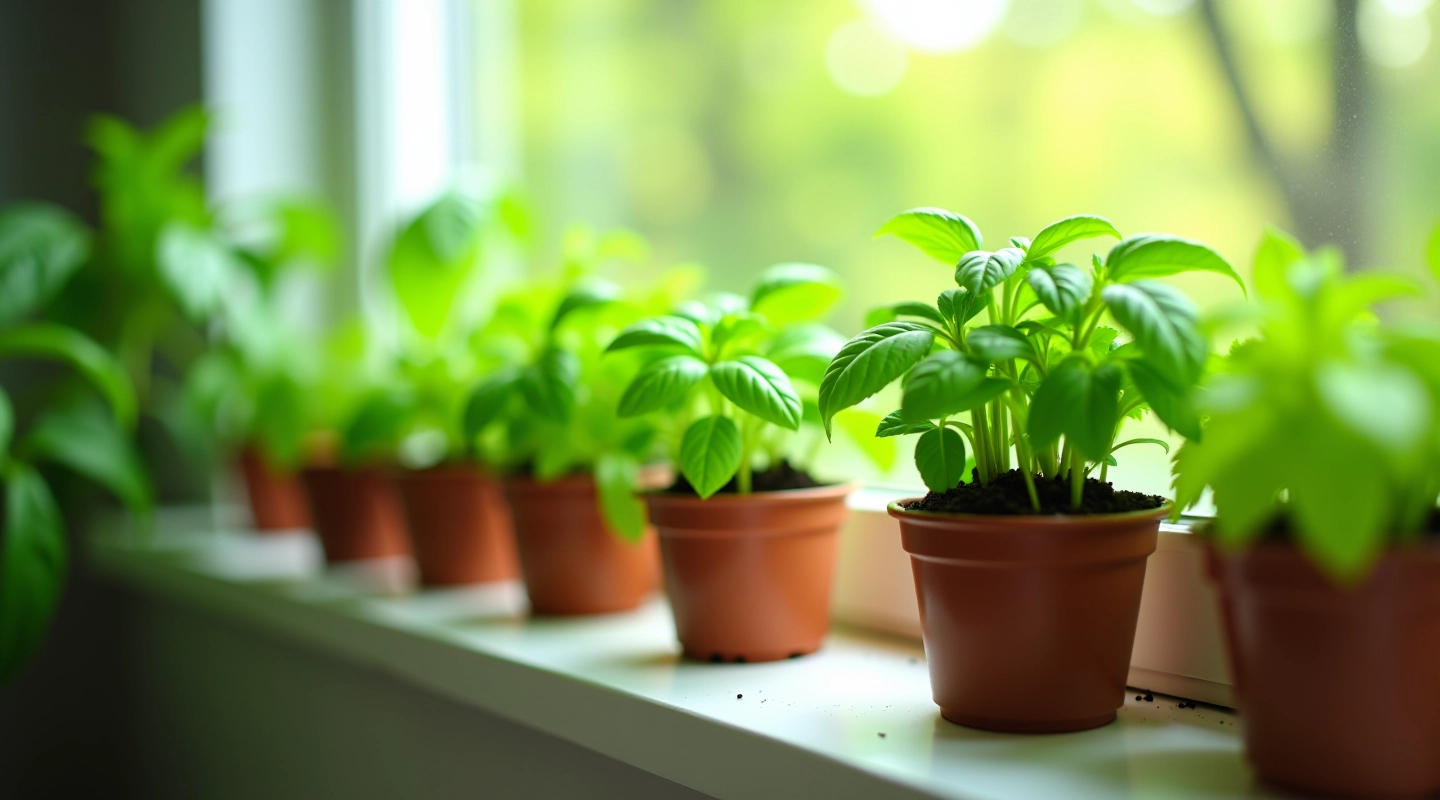
Why Container Choice Matters
It's easy to think any pot will work. Grab something from the kitchen cabinet, add dirt, throw in seeds. But within a few weeks, you'll notice your basil's turning yellow or the mint looks droopy. The problem isn't always the plant—it's what's underneath.
Drainage is the foundation of indoor herb success. Without proper drainage, water pools at the bottom of the pot, roots sit in moisture, and rot happens fast. We're not talking about fancy planters either. You'll get better results with a simple 6-inch terracotta pot with drainage holes than an expensive ceramic pot without them.
The Golden Rule
Every container needs drainage holes. Full stop. If it doesn't have them, your herbs will struggle.
Container Types That Work
Not all pots are created equal. Here's what actually works for windowsill herbs.
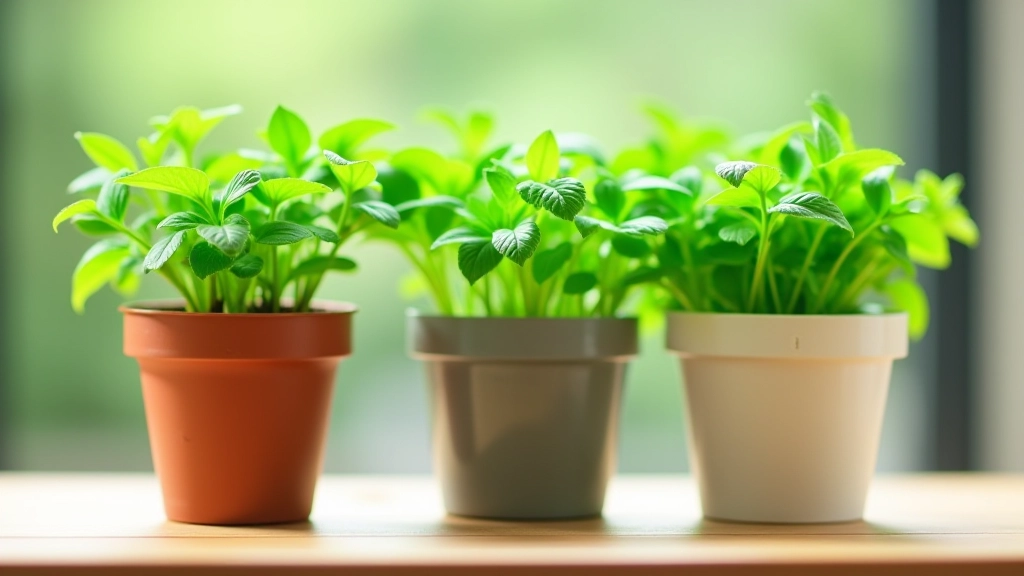
Terracotta Pots
The classic choice. Terracotta breathes, letting air reach the roots. Moisture evaporates through the sides, preventing waterlogging. A 6-inch pot costs about €2-4 and works great for basil or parsley. You'll need to water more often though—sometimes every 2-3 days in summer.
Plastic Containers
Lightweight and affordable. Plastic retains moisture longer than terracotta, so you won't water as often. Downside? They can look cheap and don't breathe as well. Food containers work fine if you drill drainage holes yourself. Just make sure the holes are big enough.
Ceramic with Drainage
Prettier than plastic, sturdier than terracotta. Quality ceramic pots with proper drainage holes are worth the investment if you want something that lasts. They're less porous than terracotta, so soil dries slower. Perfect if you forget to water occasionally.
The Right Soil Composition
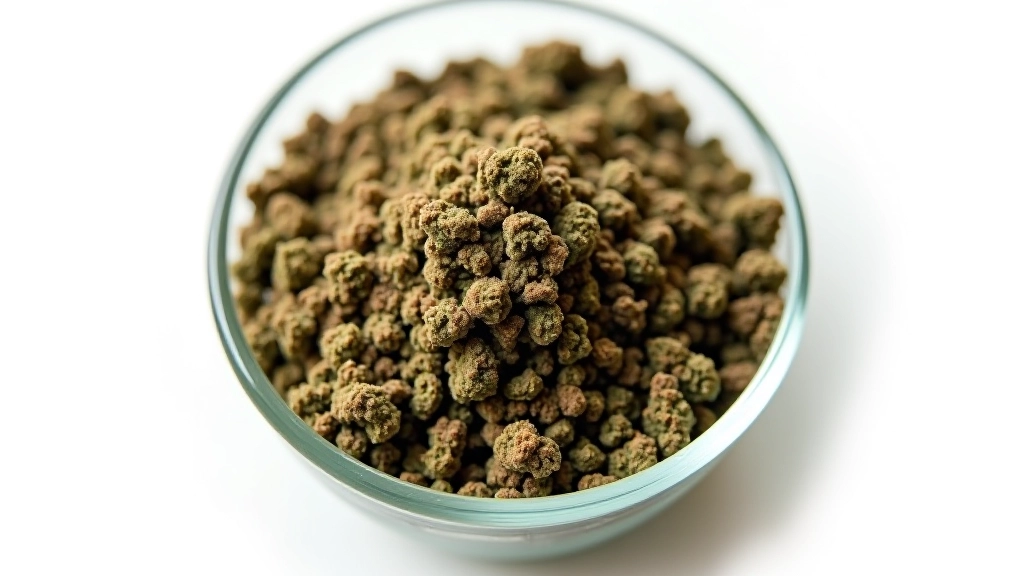
Cheap potting soil might seem fine, but it often compacts over time. Your herbs end up sitting in dense, waterlogged soil that roots can't penetrate. You need a mix that drains well but still holds enough moisture for the plant to access.
The winning formula for indoor herbs is straightforward. Mix peat moss or coconut coir (about 40%), perlite or vermiculite (about 30%), and compost (about 30%). Peat moss holds moisture and nutrients. Perlite creates air pockets so water drains. Compost provides slow-release nutrients your herbs actually need.
Don't have all three components? You can simplify. A basic mix of quality potting soil plus 20% perlite works. The perlite's the key—it prevents compaction and keeps roots happy. We've seen people use just compost mixed with perlite and their basil thrives.
Educational Information
This guide provides general information about growing herbs indoors. Growing conditions vary based on your location, climate, and individual plant needs. We recommend consulting plant care guides specific to your region or speaking with local gardening experts for personalized advice.
Container Size Guide
Bigger isn't always better. Match the pot to the herb.
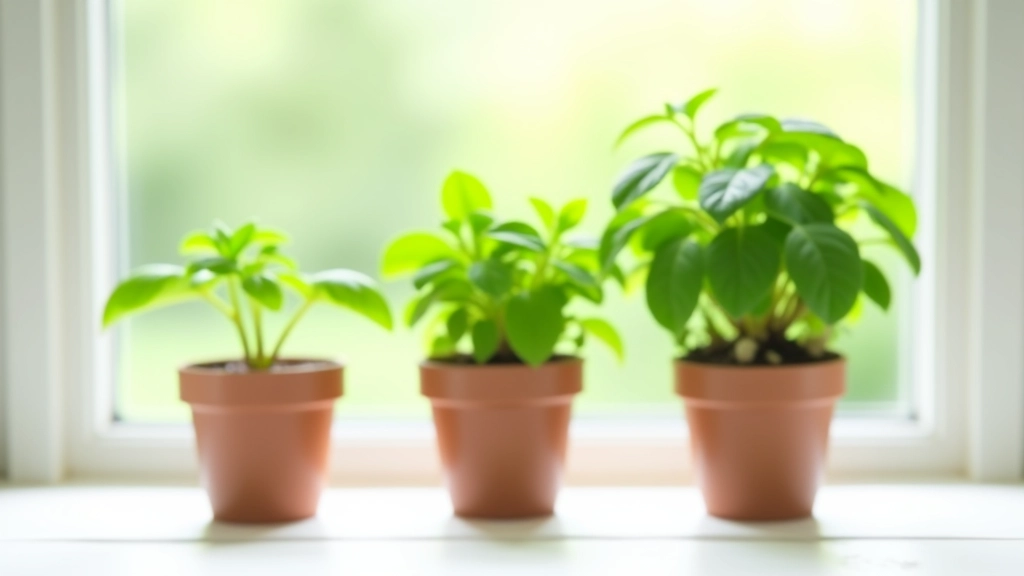
Small Herbs
Perfect for basil seedlings or young parsley plants. These herbs don't need much root space. Start here, then upgrade to 6-8 inches once established.
Standard Size
The sweet spot for most windowsill herbs. Works for mature basil, oregano, thyme, and mint. You'll water every 2-3 days depending on season. This is what we recommend for beginners.
Large Plants
For established plants or herb combinations. Mint especially loves room to spread. Larger pots dry slower, so you water less frequently. Takes up more windowsill space though.
Practical Setup Steps
Ready to set up your first herb pot? Here's what actually works, no complications.
- Choose your container . Make sure it has drainage holes. If not, drill them yourself. Aim for at least 2-3 holes in the bottom.
- Add a layer at the bottom . Put about an inch of broken pottery pieces or small stones over the drainage holes. This prevents soil from clogging the holes.
- Fill with your soil mix . Leave about an inch of space at the top so you can water without it overflowing. Don't pack it down—soil should be loose.
- Plant your herb . Whether you're starting from seed or transplanting, make sure the soil level matches where it was before. Basil doesn't like being buried deeper.
- Water gently . Use room-temperature water and soak the soil until it drains from the bottom. This settles everything and gets roots established.
That's it. You don't need special potting soil boosters or herb-specific formulas. A solid container, proper drainage, and decent soil will keep your herbs growing for months.
Getting the Basics Right
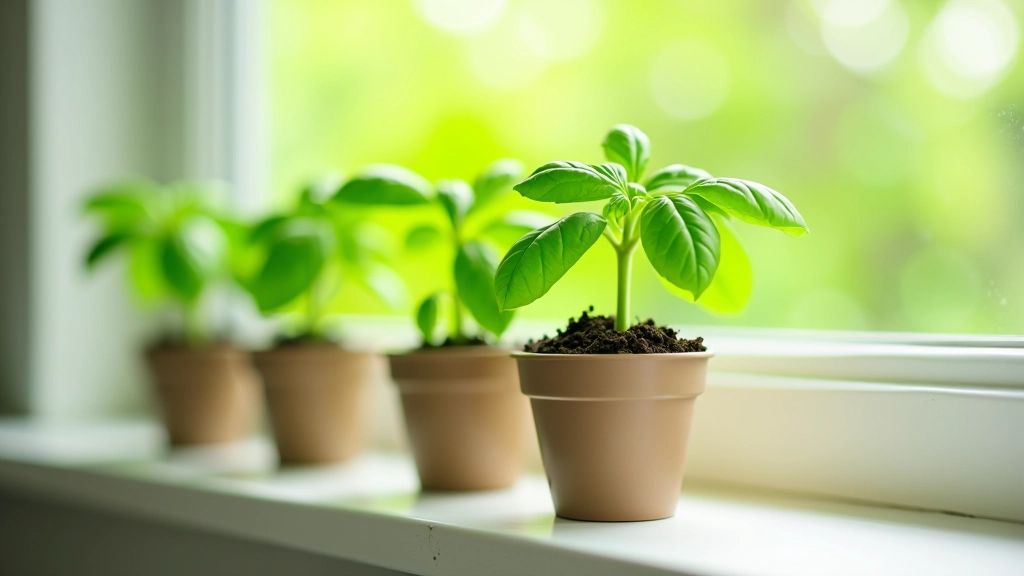
Container and soil selection isn't complicated. Drainage holes and proper soil composition will solve 80% of indoor herb problems. You don't need expensive equipment or special potting mixes. A terracotta pot with drainage, a basic soil blend with perlite, and consistent care will give you thriving herbs on your windowsill.
Start with a single 6-inch pot of basil. See how it responds. Once you've got the rhythm down—knowing when to water, how your space gets light, what works on your particular windowsill—you can expand. Add mint. Try parsley. Each plant teaches you something about what works in your home.
The best container is the one you'll actually use and maintain. Drainage holes are non-negotiable. Everything else? You'll figure it out as you grow.
Indoor Herb Editorial Team
Editorial Team
Written by the Indoor Herb Editorial Team, focused on practical windowsill herb growing guides and honest kit reviews.
Related Articles
Watering Schedule and Common Mistakes
Most indoor herbs die from overwatering, not underwatering. We'll walk you through the signs of too much water and exactly when to water each herb.
Best Herbs for Low-Light Windowsills in Riga
Not all windows get full sun. Parsley, mint, and chives handle partial light better than basil. Learn which herbs work in your Riga apartment.
Harvesting and Pruning for Continuous Growth
Picking leaves correctly encourages bushier plants. Learn when to harvest, how much to take, and why pinching the top keeps your herbs producing all season.